The Cake-Cutting Clause: How to Spot Venue Slicing Fees Before They Spoil the Party
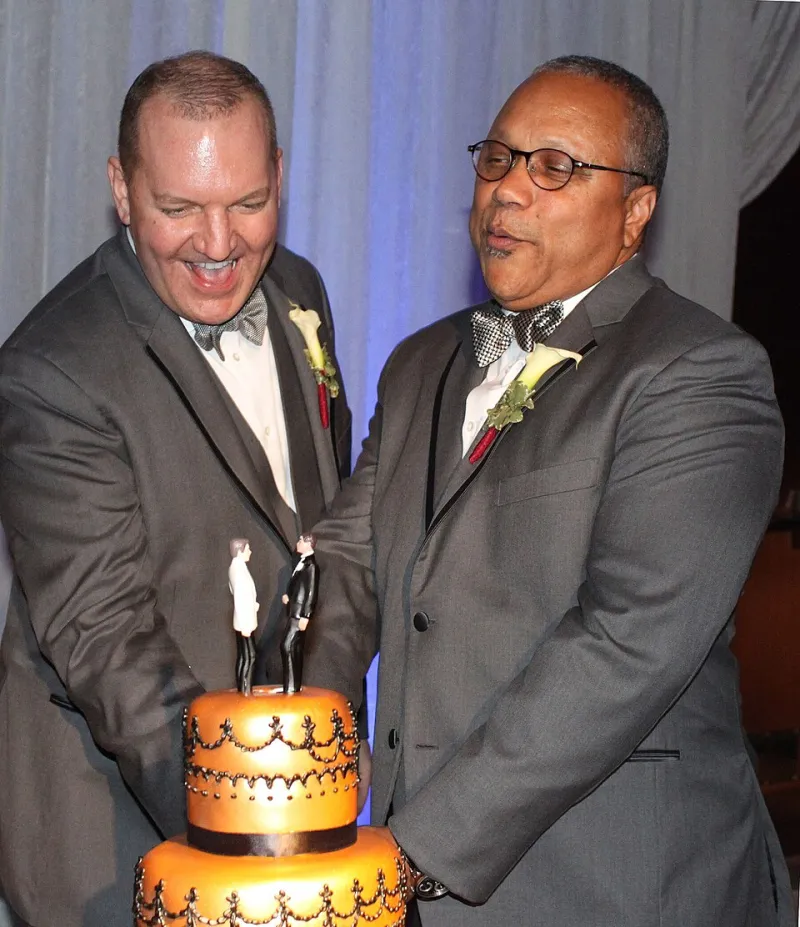
Photo: Nate Hill, CC BY-SA 4.0, via Wikimedia Commons
You have chosen the cake. You have pictured the room, the candles, the first slice, the happy chaos. Then you read the venue contract and find a line like 'Cake service: $3 per guest.' Suddenly the dessert has a sequel charge. It is not necessarily shady, but it is absolutely something to plan for before the deposit goes out.
Cake-cutting fees are one of those celebration costs that live in the fine print. They can be small enough to shrug off or large enough to make you rethink the whole dessert table. The good news is that they are easy to handle once you know what you are looking at.
What That Fee Is Actually For
A venue is not usually charging you just for the honor of touching a knife. The fee often covers staff time, plates, forks, napkins, cleanup, dishwashing, and the general logistics of serving dessert to a crowd. Some venues also tack on a separate outside-cake fee, sometimes called 'cakeage,' which works a little like a corkage fee at a restaurant.
As of 2026, the range across US venues is wide. Many charge somewhere around $1 to $4 per slice for basic cake service. Others use a flat fee, often in the $50 to $250 range. Higher-end venues or big-city ballrooms can push higher, sometimes $5 to $10 per guest or more. Some venues include dessert service in the package. Others waive the fee if you order dessert from their in-house kitchen or a preferred bakery.
The so-called $12 slice problem usually happens when a custom cake already costs $6 to $8 per serving and the venue adds another $3 to $5 per guest on top. The cake itself is not the problem. The missing line item is.
Where the Contract Hides the Details
The fee may not be in the main contract at all. Look for it in the banquet event order, the catering addendum, or the venue's outside-food policy. Words to watch for include 'cake service,' 'dessert service,' 'plating fee,' 'outside dessert fee,' 'cakeage,' and 'administrative fee.' Also ask whether service charge and tax apply to the cake fee. A $3 per guest charge can quietly become more once those are added.
Questions to Ask Before You Sign
Get the answers in writing, even if they come by email. A friendly paper trail is your friend.
- Is the fee per slice, per guest, or a flat rate?
- Does the fee apply to every guest, or only to guests who actually eat cake?
- Does it include plates, forks, napkins, and leftover boxes?
- Who cuts and plates the cake, venue staff or our own people?
- Is there a separate outside-cake or dessert fee on top of the cutting fee?
- Is the fee waived if we use the venue's bakery or a preferred vendor?
- Can we bring our own plates and napkins, or is that not allowed?
- How does the venue handle tiered cakes, fondant, or delicate decorations?
- What is the total for our guest count, including service charge and tax?
That last question matters most. Ask for the all-in number, not just the per-slice rate. It is much easier to compare a flat $150 fee with a $3-per-guest charge when you are looking at the final figure for your actual party.
Run the Real Math
For a 100-guest party, $3 per guest is $300 before tax and service charge. At $4 per guest, it is $400. A flat $150 fee might be a bargain by comparison. But if that fee includes full dessert service, plating, and cleanup, it may also be fair for the labor involved.
If you are considering cutting the cake yourselves, ask whether the venue will remove the fee. Some will. Some will not, because they still expect staff to manage the dessert area or clean up afterward. Get the answer before you buy a single cake box. Also ask whether a smaller display cake plus a pre-cut sheet cake in the back would change the service fee. Some venues charge by the guest, not by the cake, so this trick does not always save money. It is worth asking, though.
When Cutting It Yourself Makes Sense
DIY cake cutting works best at parks, community halls, homes, casual restaurants, and venues that openly allow self-service. It also works best with a sheet cake or a simple single-tier design. It is less fun with a tall tiered cake, delicate sugar work, a huge guest count, or a venue with strict food-safety rules.
Even DIY has a cost. You may need plates, forks, napkins, a server or two, and someone calm enough to cut neat slices while Aunt Linda asks why the cake is not out yet. If the venue fee is modest and includes real service, paying it can be the cheaper kind of peace of mind.
A Baker-Side Checklist for a Smooth Slice
At JB Cakes Sweets & Treats, we ask clients about the slicing plan before the final details are locked. Tell your baker which venue you are using, when the cake should arrive, who the on-site contact is, and whether the venue is cutting the cake or you are. Confirm the guest count, the cake size, the tier count, and the flavor layout.
If the venue is cutting, ask your baker for a simple cutting guide you can hand to the staff. If you are cutting, ask for a cake board, a sturdy box for leftovers, and clear instructions about refrigeration. Tiered cakes usually need on-site cutting, but some sheet cakes can be scored in advance for easier serving. Ask what is possible for your design.
A Short Script for the Venue
You do not need to be confrontational. Try this: 'Hi, we are bringing a custom cake from JB Cakes Sweets & Treats. Before we sign, can you confirm in writing whether there is a cake-cutting or outside dessert fee, how it is calculated, what it includes, and the total for our guest count? Also, if we handle cutting ourselves, is the fee waived?' That one email can save a lot of guessing later.
The cake should be the joyful part of the party, not the surprise line item. Ask early, compare the all-in cost, and decide whether the fee is worth paying. Either way, with a little coordination, the cake arrives ready for its big moment.