Nana's Carrot Cake Walks Down the Aisle: Bringing Heirloom Recipes to Your Baker
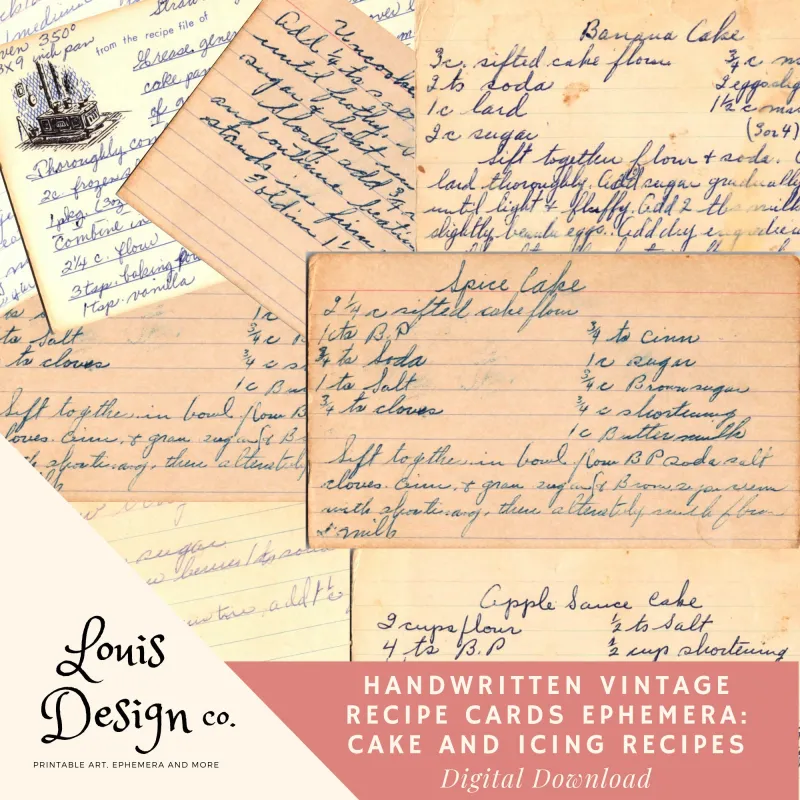
Photo: vintage handwritten recipe card beside elegant layer cake, via i.etsystatic.com
Every few weeks, someone slides a worn recipe card across our consultation table. The handwriting is faded, there's a butter stain in one corner, and the instructions say things like "bake until done" and "add flour until it looks right."
We love these moments. Because underneath the smudges is usually the most important cake flavor brief we'll ever get.
Why Family Recipes Matter So Much
When a couple asks for Grandma's lemon pound cake at their wedding, they're not really ordering lemon pound cake. They're ordering Sunday dinners, holidays, the smell of that particular kitchen. Food memory is powerful stuff, and a custom cake is one of the few places at a party where everyone gets the same bite.
So when you bring us a family recipe, our job isn't just to bake it. It's to protect what makes it yours.
What to Bring to the Consultation
The best version of your recipe is the most complete one you have. That means:
- The actual card or note, if you have it — even better if you can photograph it and keep the original safe at home
- The story — who made it, for what occasions, what made it special
- Any tweaks your family made over the years (Aunt Dena's version with extra cinnamon counts as the "real" one if that's what you grew up eating)
- A memory of taste and texture, since old recipes often leave out details like "the frosting should be almost too tangy"
If the recipe lives in someone's head, record a phone call with them before the consultation. Future you will be grateful.
The Scaling Question: Home Batch to Wedding Stack
Here's where the behind-the-scenes work really happens. A recipe that serves twelve needs to serve 120, and that's not just multiplication.
Leavening doesn't scale linearly — doubling baking soda in a big batch can leave a metallic taste. Spices intensify as volume grows, so we often pull them back slightly and adjust after a test bake. And mixing changes everything: a stand mixer at commercial volume behaves differently than your grandmother's hand mixer, which affects crumb and density.
Then there's structure. A tiered cake needs to survive stacking, transport, and a warm reception hall. We may add a touch of flour or adjust the fat ratio so the crumb holds up — always with an eye toward keeping the original texture recognizable. If Nana's carrot cake was impossibly moist, we aim for impossibly moist, just in a form that won't slide off a dowel.
We always do a test bake before the real thing, and we're honest when a recipe needs a tweak. Most families are thrilled to hear we treated their recipe with that much care.
Design Nods That Honor the Story
Once the flavor is locked, the fun part: the outside. Some of our favorite ways to honor a recipe's history:
- A replica of the recipe card hand-piped onto the side of the bottom tier, butter stains and all
- Fresh or sugar versions of the signature ingredient — candied carrots, lemon wheels, a scatter of toasted pecans
- A flavor label written in the original author's hand, if we can work from a photo of their handwriting
- A simple nod on the cake table, like a framed copy of the recipe next to the dessert display
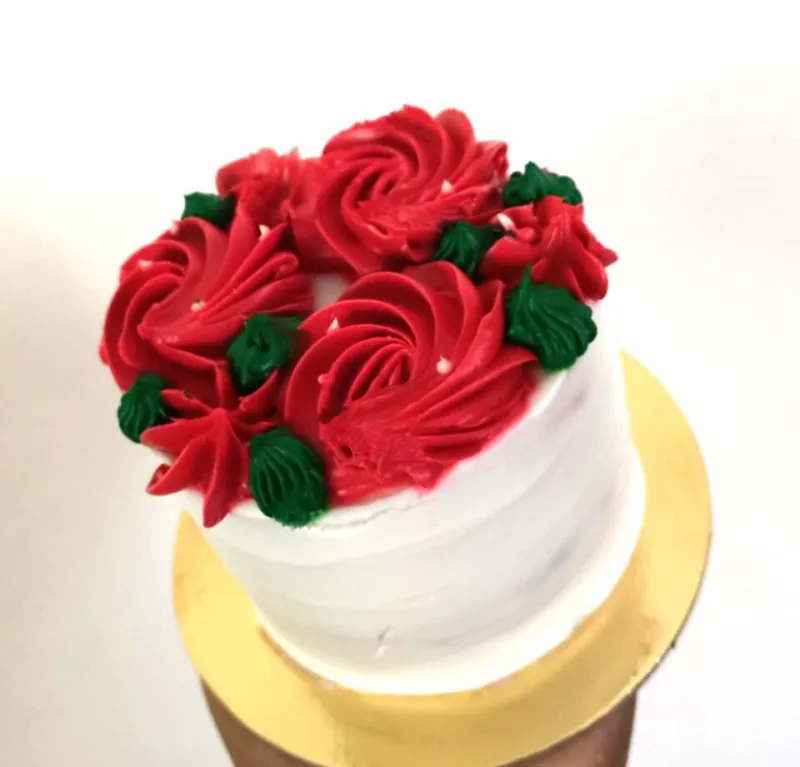
One couple had us recreate the exact rosette piping from their grandparents' 1965 anniversary cake on their own top tier. Nobody at the reception knew. That was the point.
One Honest Caveat
Sometimes a beloved recipe doesn't translate — a delicate chiffon that can't survive tiering, or a filling that turns weepy under fondant. When that happens, we'll tell you, and we'll offer options: serve the original as a small "family cake" on the dessert table alongside the custom build, or adapt the flavor into a more stable format.
Your family's recipe made it this far. It can make it to the cake table too — it just might need a baker's helping hand along the way.