Don't Let the Last Slice Suffer: A Host's Guide to Cake That Keeps
You planned the party, picked the flavor, and spent weeks going back and forth on the design. The cake was a hit. And now? There's a sad, uncovered slab sitting on the counter at 11 p.m., slowly turning into cake-flavored cardboard.
We hate that. At JB Cakes, we pour love into every layer, and we want your last bite to be as good as your first. So here's the honest, practical playbook for what happens after the party ends.
First Things First: Unfrosted vs. Frosted Changes Everything
The biggest mistake hosts make is treating all cake the same. It's not.
Buttercream-frosted cake is basically self-sealing. That shell of frosting acts like natural plastic wrap, locking moisture into the crumb. A buttercream cake can sit happily at room temperature for two to three days — just cover the cut edge with a piece of plastic wrap pressed gently against the exposed crumb, or park the whole thing under a cake dome.
Fondant-covered cake also does fine on the counter, but once it's cut, the exposed interior dries fast. Your best move is to cut the remaining cake into individual slices and wrap each one snugly in plastic wrap before tucking them into an airtight container.
Bare or lightly finished cakes — think naked cake, dusted with powdered sugar, or topped with fresh fruit — are the most fragile. Get them into the fridge within a few hours, wrapped well.
One quick note: if your cake has a perishable filling like fresh whipped cream, custard, mascarpone, or fresh fruit layers, the counter is off-limits entirely. Refrigerate it, no exceptions.
The Fridge: Friend or Foe?
Here's a truth bakers talk about constantly: the refrigerator is a moisture thief. Cold air pulls water out of cake, which is why day-old fridge cake can taste drier than day-old counter cake.
But sometimes you don't have a choice — summer heat in the South, a cream-filled filling, or a kitchen that runs warm. When the fridge is your only option, do it right:
- Wrap slices individually in plastic wrap, getting it snug against the frosting and crumb.
- Slide them into an airtight container or a zip-top bag with the air pressed out.
- Eat within three to four days for best texture.
Pro tip: let refrigerated slices come back to room temperature for 20 to 30 minutes before serving. Cold mutes flavor — that chocolate layer you loved at the party will taste twice as rich once it warms up.
Freezing: Your Cake's Time Machine
Done right, frozen cake is a genuine gift to your future self. Imagine pulling a slice of your anniversary-tier top cake out of the freezer three weeks after the wedding, when the chaos has died down. That's not a fantasy — it's just good wrapping.
How to freeze cake like a pro:
- Chill the slices in the fridge first so the frosting firms up. This prevents smearing.
- Wrap each slice tightly in plastic wrap — twice, if you're thorough.
- Add a layer of heavy-duty foil or slip the wrapped slices into a freezer bag.
- Label with the flavor and date. Future-you will not remember which bundle is the red velvet.
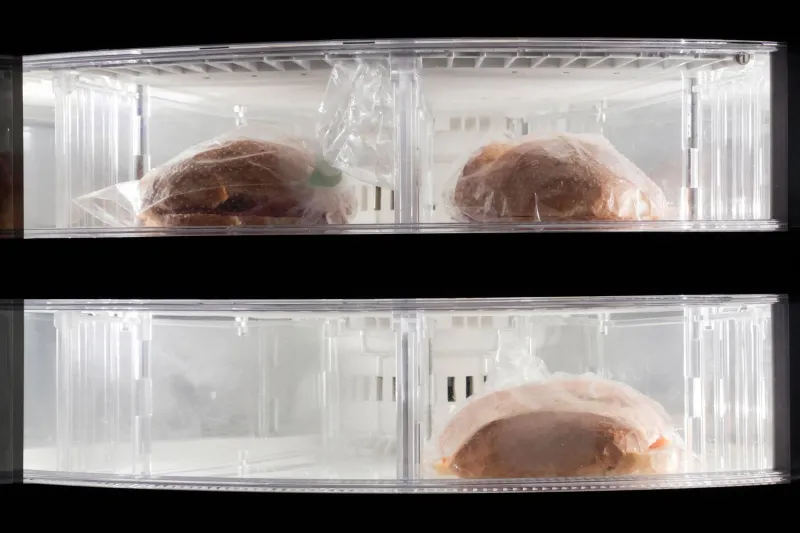
Properly wrapped, cake keeps beautifully for two to three months. The one caveat: cakes with fresh fruit fillings or whipped cream don't freeze gracefully — the texture turns watery when thawed. Stick to buttercream, ganache, and denser fillings for the freezer.
Thawing matters too. Move slices to the fridge overnight, or leave them wrapped on the counter for a couple of hours. Keep the plastic on while they thaw — condensation forming on the wrapper (not the cake) is what keeps the surface from getting sticky.
Reviving a Slice That's Seen Better Days
So the cake's a little dry. Don't toss it — resuscitate it. A quick 10-to-15-second zap in the microwave works wonders on most cakes, softening the crumb and waking up the flavors. For an extra trick, place a damp (not wet) paper towel loosely over the slice while microwaving to add a hit of steam.
Day-old pound cake or layer cake also makes an outrageously good French toast. Dip thick slices in your usual egg-and-cinnamon mixture, griddle until golden, and thank us later.
When All Else Fails: Turn Leftovers Into Something New
Some of our favorite messages from customers aren't about the party at all — they're about what they made with the leftovers afterward. A few ideas our bakers swear by:
- Cake truffles: Crumble the cake, mix with a spoonful of frosting, roll into balls, chill, then dip in melted chocolate. They freeze beautifully too.
- Parfaits: Layer cubes of cake with whipped cream or pudding and berries in a mason jar. Instant dessert for a weeknight.
- Cake pops, simplified: Same concept as truffles, with a lollipop stick and a little more patience.
- Trifle: Torn cake, custard, fruit, whipped cream, repeat. It's forgiving by design — the messier, the better.
- Milkshake blend-in: A chunk of chocolate cake in a vanilla shake is a genuinely elite move.
The Bottom Line
A custom cake is an investment in your celebration, and the celebration doesn't have to end when the last guest leaves. Wrap it well, freeze what you can't finish this week, and get a little creative with the crumbs. Every slice earned its spot on the table — make sure it gets eaten like it did.
And if you're already thinking ahead to your next celebration (and what leftovers it might leave behind), you know where to find us. Happy baking, and happier snacking.