Before You Book: How to Taste Cake Like a Pro (Without Burning Out Your Taste Buds)
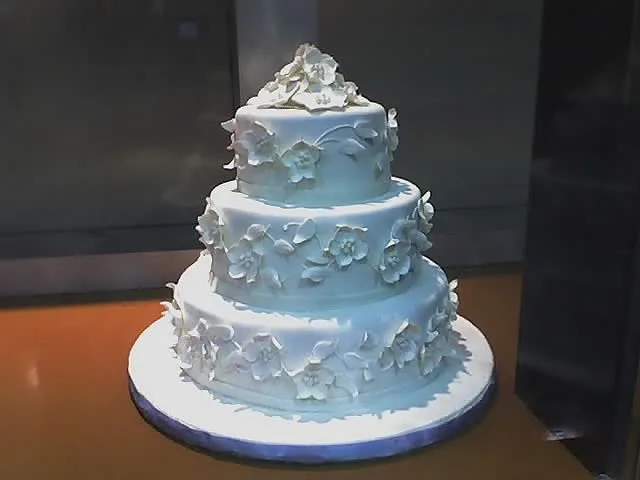
Photo: cara fealy choate from Austin, USA, CC BY 2.0, via Wikimedia Commons
Here's a scene we see all the time: a couple shows up to a tasting, tries eleven flavors in fifteen minutes, and walks out saying everything was "good." That's a wasted appointment — and honestly, a wasted batch of cake.
A tasting is one of the few chances you get to make a truly informed decision about your celebration. Treat it like the fun, low-stakes audition it is, and you'll leave with a flavor combo you're genuinely excited about instead of a vague memory of buttercream.
Pick Your Flavors Before You Walk In
Most bakeries — us included — will send you a menu ahead of time. Read it. Seriously. Walk in with a shortlist of three to four flavors you actually want to try, not a plan to sample the whole case.
Why does this matter? Because your palate has limits. After three or four tastings, everything starts to blend together. Lemon starts tasting like vanilla. Chocolate starts tasting like more chocolate. The pros call it palate fatigue; we call it the reason you can't remember whether you liked the strawberry or the raspberry.
A good starting lineup:
- One classic — vanilla, yellow, or almond, since this is what most of your guests will eat
- One chocolate — because somebody at your party will ask
- One wildcard — salted caramel, funfetti, lemon raspberry, whatever makes you curious
That's it. Three or four samples, tops.
What Pairs Well Together (and What Doesn't)
Flavor pairing is where tastings get interesting. A cake and filling that taste great alone can clash when stacked, so ask to try combinations, not just components.
Some pairings that consistently work in American celebration cakes:
- Vanilla cake + strawberry filling + vanilla buttercream — the crowd-pleaser that disappears first at every reception
- Chocolate cake + salted caramel + chocolate ganache — rich, so balance it with a lighter tier nearby
- Lemon cake + raspberry filling + cream cheese frosting — bright and a little unexpected
- Funfetti or confetti cake + vanilla + sprinkles inside — pure birthday energy
One warning: very moist fillings (fresh fruit, curds) and very delicate frostings don't love hot summer weddings in the South, or an outdoor reception in August. Ask how a combo holds up at room temperature. A good baker will tell you straight.
Questions Worth Asking While You Chew
You don't need an interrogation, but a few questions separate a helpful tasting from a snack break:
- "Is the frosting on the sample the same as what you'd use on my cake?" Sometimes samples use a simpler buttercream than the final finish.
- "Can I mix and match flavors per tier?" Many bakeries allow different flavors per tier for a small fee — great for pleasing both the chocolate people and the vanilla people.
- "How sweet is your buttercream?" American buttercream is sweeter than Swiss or Italian meringue buttercream. If you're not a sweets person, this matters a lot.
- "What's included in the price per slice?" Fillings, premium flavors, and custom details can shift the number.
Write the answers down. After three appointments, memory gets fuzzy — see: palate fatigue.
Running a Tasting at Home
Plenty of bakers now offer take-home sample boxes, which means you can hold your own taste-off at the kitchen table. A few tips to keep it honest:
- Taste over a day or two, not all at once. Try two or three flavors the first night, the rest the next day.
- Room temperature is non-negotiable. Cold cake mutes flavor. Let samples sit out 30 minutes.
- Sip water or plain crackers between flavors. Milk is lovely, but it coats your tongue and skews everything sweet.
- Take a photo of each sample with a label. "The square one" means nothing tomorrow.
- Include your decision-makers. If your future mother-in-law has opinions, let her in on round two — but make the final call yours.
Trust the Bite That Makes You Pause
After all the notes and rankings, here's the truth: the right flavor usually announces itself. It's the one where you look at each other mid-chew. It's the one you reach back for a second bite of when you think nobody's watching.
Everything else — the spreadsheet, the questions, the pacing — is just there to make sure that moment doesn't get drowned out by sugar overload. Come hungry, come curious, and don't try eleven flavors in fifteen minutes. Your taste buds (and your cake) will thank you.